
Newborn Diaper Schedule Demystified

Key Highlights
- Understanding your newborn’s diaper schedule is key to keeping them clean, comfortable, and rash-free.
- Newborns go through a lot of diapers, especially in the first few weeks, so be prepared for frequent diaper changes! Diaper sizes and types vary, so choose the right one based on your baby’s weight and needs.
Introduction
Bringing a new baby home is an exciting time, but it also comes with a whole new set of responsibilities. One of the most important (and frequent!) tasks you’ll face is changing your newborn’s diaper.
Choosing the right newborn size diaper, mastering the art of a diaper change, and ensuring your baby’s skin stays clean and dry is essential. This guide will provide everything you need to know about your newborn’s diapering needs.
Understanding the Newborn Diaper Schedule
Navigating the world of newborn diapering can feel overwhelming, especially when faced with the sheer volume of diaper changes required. Don’t worry; it’s completely normal for newborns to go through a surprising number of diapers, each with their unique patterns. It is crucial to understand these patterns to ensure your little one’s comfort and well-being. This guide will take you through the expected diaper schedule of a newborn at different stages, helping you anticipate their needs and develop a routine that works for both of you.
The First 24 Hours: What to Expect
Congratulations on welcoming your little bundle of joy into the world! In these initial 24 hours, your newborn will be transitioning to life outside the womb, and their bowel movements and urination patterns will reflect this adjustment. The first few bowel movements will consist of meconium, a thick, tarry substance that’s a mix of amniotic fluid and other things ingested in the womb.
This will gradually transition to a greenish-black consistency. Diaper changes during this time depend on how often your baby feeds and their weight. Don’t worry if the first few diapers seem a bit sparse.
As your baby takes in more milk or formula, you’ll notice a significant increase in wet diapers. You can also rely on a simple visual cue – most diapers have a wetness indicator that changes color when wet, making it easier for you to gauge when a change is needed.
Days 2-5: Increasing Diaper Counts
As your baby adjusts to a regular feeding schedule and their intake increases, you’ll notice a significant jump in the number of wet diapers. Don’t be surprised if you’re changing your baby’s diaper every two hours or even more frequently!
Their bowel movements will also continue to transition, changing from the initial meconium to a seedy, mustard-yellow color and looser consistency, especially if they’re breastfeeding. This is a positive sign that their digestive system is maturing and functioning as it should.
Remember to adjust the diaper size if needed. If you notice red marks around your baby’s legs or the diaper seems too snug, it might be time to move up a size. Keep a close eye on their comfort and adjust accordingly.
Weeks 1-4: Establishing a Routine
By now, you’ve probably changed hundreds of diapers and are well on your way to becoming a diapering pro! Your newborn’s feeding and elimination patterns will become more predictable, making it easier to establish a routine.
However, every baby is different, so keep an eye out for any sudden changes that might indicate a problem. Continue monitoring your baby’s skin for any signs of irritation or rash.
Frequent diaper changes and ensuring proper cleaning are crucial to preventing diaper rash, especially in newborns with sensitive skin. Remember, a happy bottom equals a happy baby! As your baby grows, continue to adjust the diaper size. Different brands have different size ranges and fit, so don’t hesitate to experiment to find the perfect diaper for your little one.
Month 2 and Beyond: Adjusting to Your Baby’s Growth
As your baby enters the second month and beyond, their growth spurts may lead to more frequent diaper changes. Their digestive system is also becoming more efficient, resulting in less frequent but possibly larger bowel movements.
Adjust your diapering routine accordingly, ensuring you’re using the appropriate diaper brand and size for their needs. Size charts can be a helpful guide, but every baby is unique, so prioritize their comfort and adjust the size if needed.
While older babies may not require as frequent diaper changes, maintaining a consistent routine is still important. Regular diaper changes are still crucial to prevent diaper rash and maintain good hygiene.
Decoding Newborn Diaper Sizes
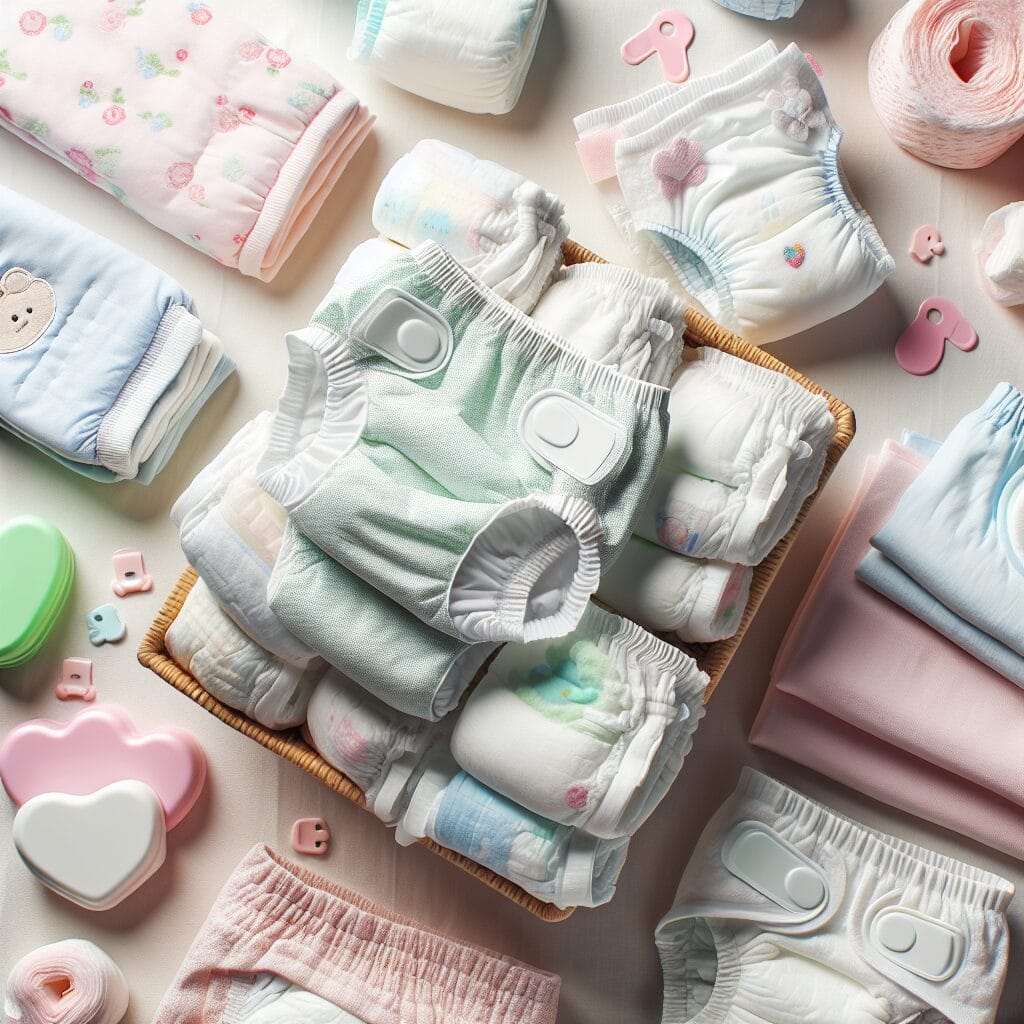
Navigating the world of newborn diaper sizes and types can feel like learning a new language. From different brands to varying materials, there are many factors to consider. The perfect diaper for your little one depends on their weight, shape, and individual sensitivities.
Choosing the correct size is crucial, as ill-fitting diapers can lead to leaks and discomfort. Explore the options that align with your parenting style and environmental considerations.
Special Considerations: Pee-Ka-Poo Diapers in Singapore
Singaporean parents searching for the ideal diaper should consider Pee-Ka-Poo Diapers. Known for their gentle touch and dedication to quality, Pee-Ka-Poo Diapers cater specifically to the needs of delicate newborns. If your little one has sensitive skin, this brand offers a safe and comfortable option.
Pee-Ka-Poo Diapers boast a thoughtfully designed fit that ensures your baby’s comfort while effectively containing leaks. The soft materials and secure fit prevent chafing and irritation, especially around the delicate areas of your baby’s legs. Parents in Singapore trust
Pee-Ka-Poo for a reason – their commitment to quality and gentle care shines through in every diaper. With Pee-Ka-Poo, you can rest assured that you’re giving your little one the best start possible.
How Many Packs of Newborn Diapers to Buy Initially
Stocking up on newborn diapers before your baby arrives is always a good idea, but knowing how many packs of newborn diapers should I buy can be tricky. It depends on factors such as your baby’s birth weight, how quickly they grow, and your budget. However, a good starting point is to have enough diapers for at least the first two weeks. Keep in mind that newborns go through a lot of diapers, sometimes up to 12 per day or even more. While it’s tempting to go overboard with stockpiling, it’s best to avoid buying too many newborn diapers, as your baby may quickly outgrow them.
Calculating Your Baby’s Daily Needs
During the first month, your newborn will be going through a lot of diapers. On average, newborns need about 8-12 diaper changes per day, sometimes even more. This means you’ll be going through an entire pack of newborn diapers every few days!
While it might seem daunting, remember that this frequency will gradually decrease as your baby grows and their bladder develops. The key is to be prepared for this initial surge in diaper changes.
Brands like Pee-Ka-Poo are designed to absorb well, reducing the need for frequent changes. This can help you plan your purchases more effectively. Keep track of your baby’s growth and adjust your buying habits accordingly to ensure you have the right amount on hand.
Diaper Count for Newborns
When considering the diaper count for newborns, a good estimate is around 10-12 diapers per day in the first month. This can help you plan your purchases more effectively. Keep track of your baby’s growth and adjust your buying habits accordingly to ensure you have the right amount on hand.
What Are the Best Diapers for a Newborn?

If you’re wondering what are the best diapers for a newborn, consider factors such as absorbency, material, and fit. Look for brands that are known for their softness and breathability, as these features are essential for your baby’s comfort. It may be beneficial to try a few different brands to see which ones work best for your baby’s body and skin.
Which Diapers to Buy for Newborns?
When deciding which diapers to buy for newborns, consider their unique needs and any sensitivities they may have.
Brands like Pee-Ka-Poo offer specialized options designed for delicate skin, while other popular brands may also provide quality choices. Test out a few different types to see which suits your baby best.
Conclusion
Navigating the world of newborn diapers may seem daunting, but with a little knowledge and preparation, you can ensure your baby stays comfortable and dry. Understanding the diaper schedule, sizes, and how many packs to buy will help you stay organized. Remember to observe your baby’s cues and adapt your routine to their needs. Your little one is growing fast, and with the right diapering approach, you’ll be able to focus on creating cherished memories with them. Happy parenting!
Frequently Asked Questions
1. How often should I change my newborn’s diaper?
You should change your newborn’s diaper every time they wet or have a bowel movement. To protect your baby’s skin from diaper rash, check the wetness indicator frequently or aim for a diaper change at least every two to three hours.
2. Can I use regular diapers for a newborn with sensitive skin?
It’s best to choose a diaper brand specifically labeled as hypoallergenic for babies with sensitive skin. These diapers are free from harsh chemicals and fragrances and are gentler on your baby’s skin, reducing the risk of irritation.