
Diaper Sizes: A Comprehensive Guide for New Parents

Key Highlights
- Choosing the right diaper size is crucial for your baby’s comfort and to prevent leaks.
- Diaper sizes are primarily determined by weight, not age.
- Look for signs like red marks, tight tabs, and leg cuff gaps to know when to size up.
- Different diaper types like overnight and swim diapers have varying size guides.
- Familiarize yourself with popular brand-specific size charts for the best fit.
Introduction
For new parents, figuring out diaper sizes can be a tough job. There are many brands and types, and babies grow quickly. It’s important to understand how diaper sizing works. This guide will help you choose the right diaper size, starting from newborn diapers to bigger sizes as your baby starts to move around. You will find all the information you need to make confident choices for your little one.
Understanding Diaper Sizes and Types
Choosing the right diaper size is important for more than just comfort. A well-fitted diaper makes your baby feel good. It helps reduce leaks and blowouts. It also keeps your baby’s skin healthy. This can prevent diaper rash that happens from too much moisture.
Keep in mind, babies grow quickly, especially in their first year! It might be easy to buy a lot of one size, but it’s better to get a few at a time. Watch for signs of how your baby is growing.
The Basics of Diaper Sizing
Most disposable diaper brands have sizes from Newborn to Size 6. Some brands even offer Preemie sizes for small babies and sizes 7 or larger for toddlers. The most important thing to think about when using the diaper size chart is your baby’s weight.
Remember, the weight ranges on diaper packaging are just guidelines. The best fit depends on your baby’s shape and size. Look at how the diaper fits around the waist and legs. It should feel snug, but not too tight.
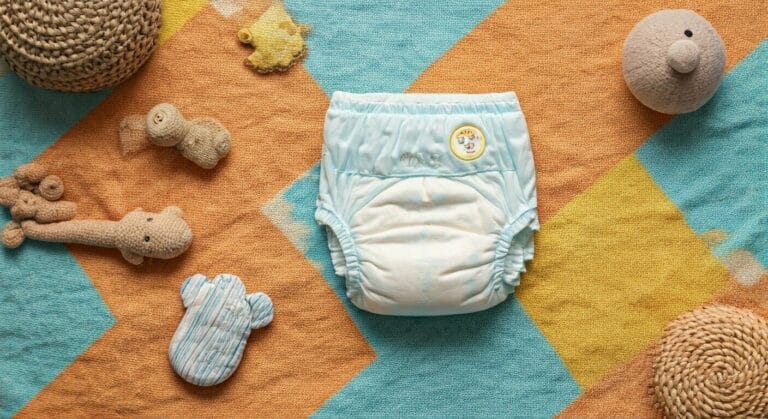
A good-fitted diaper should rest just below your baby’s belly button. The tabs should comfortably fasten near the center of the waistband. You should be able to place two fingers snugly under the waistband. Make sure there are no gaps around the leg cuffs.
Types of Diapers for Every Age and Stage
Besides standard disposable diapers, there are different types made for specific needs:
- Newborn diapers: These are for babies that weigh up to 10 lbs. They often have a cutout for the umbilical cord.
- Overnight diapers: These have extra absorbency, keeping babies dry all night long.
- Swim diapers: These are made for the water. They won’t swell like regular diapers, so they help prevent accidents in the pool.
- Cloth diapers: These are reusable and good for the environment. They come in many styles, including ones with adjustable snaps for a better fit.
When deciding on cloth diapers or disposable diapers, think about your lifestyle, budget, and what’s good for the environment.
Choosing the Right Size for Your Baby

Choosing the right diaper size can feel stressful with all the choices available. But don’t worry! By observing your baby and knowing what to look for, you’ll get the hang of it quickly.
Keep an eye on your baby’s weight and check the diaper size chart. Pay attention to how the diaper fits. If it feels too tight, it probably means you need to go up a size.
Size 1 Diapers: When to Start
Most newborn babies start using Newborn size diapers. These are made for babies weighing up to 10 lbs. They focus on being gentle and fitting well for delicate skin. Newborn diapers often have a cutout in the front. This cutout helps keep the umbilical cord stump clean and dry while it heals.
As your baby grows, you might notice the diaper feels tighter or the tabs don’t match up anymore. This may mean it’s time to move from Newborn to Size 1. Some babies may even skip Newborn size if they are larger at birth.
Always check how the diaper fits. Look for red marks on your baby’s skin. These signs mean the diaper could be too small. Also, remember that caring for the umbilical cord is very important in those first few weeks. Keep the area clean and dry to avoid infection.
Transitioning from Size 1 to Size 2: Signs It’s Time
Your baby is growing quickly. They will soon go through different diaper sizes. Moving from Size 1 to Size 2 shows your little one is gaining weight and developing. This change means they need a more absorbent and comfortable diaper.
When should you switch? Watch for signs that your baby has outgrown their current size. If you see red marks on your baby’s waist or thighs after removing the diaper, think about getting a bigger size. Red marks can show the diaper is too tight, which can limit movement or irritate delicate skin.
Besides red marks, watch for other signs like trouble fastening the tabs, the diaper feeling too full between changes, or more leaks than usual. Remember, choosing the right diaper size is key for your baby’s comfort and happiness.
Diaper Sizes for Older Babies and Toddlers

As your baby becomes a busy toddler, their diaper needs will change. Sizes 3, 4, and 5 are made for older babies and toddlers. This is because they move around more and can hold more in their bladders.
Many parents notice that their toddlers often stay in Size 4. This size is thought to be the most popular. During this time, you can be glad that your child will not need as many diaper changes!
Navigating through Sizes 3 to 5
Navigating diaper sizes can be tricky as your baby grows. Once you reach sizes 3 to 5, you have moved past the many diaper changes of the early months. It might feel like you are using a lot of diapers, especially during growth spurts. But don’t worry, the number of diaper changes will slowly go down.
A good tip is to watch how wet the nighttime diaper is. If your little one’s diaper is always soaked by morning, it is time to switch to a bigger size. This will help keep them comfortable and dry at night.
Remember, every baby grows at their own speed. There isn’t a one-size-fits-all way to choose diaper sizes. Stay alert and adjust as needed. Check the manufacturer’s guidelines to find the right size for your little one.
When and Why to Consider Size 8 Diapers
As your toddler gets bigger, their diaper needs change. If you have a larger toddler or are starting potty training, size 8 diapers may be important. Finding the perfect fit keeps your little one comfortable and dry during the day and night. This is especially true for overnight stretches when absorbency is very important.
Size 8 diapers can be harder to find than smaller sizes, but some brands do make these bigger options for growing toddlers. These diapers usually have a higher waistband and a wider crotch area. This helps give a more comfortable and secure fit for larger bodies.
Whether you need size 8 diapers for daytime or overnight use, always remember to focus on absorbency, a snug fit, and a brand that fits your family’s needs.
Conclusion
Choosing the right diaper size is important for your baby’s comfort and happiness. Knowing the basics of diaper sizing, types, and when to make changes can help new parents. There are sizes like Size 1 up to Size 8, and each one needs attention for a perfect fit. Watch for signs that show it’s time to go up a size. By learning the weight ranges for each diaper size, you can pick the best option for your child. A good-fitting diaper helps keep your baby happy!
Pee-Ka-Poo: The Best Fit for Your Baby

For parents looking for premium diapering options, Pee-Ka-Poo offers ultra-soft, highly absorbent diapers designed for maximum comfort and leak protection. Whether you need newborn sizes or larger diapers for growing toddlers, Pee-Ka-Poo ensures a secure fit that keeps your little one dry day and night.
You can also complete your baby’s care routine with Pee-Ka-Poo’s bath & body wash, and wipes – all crafted to be gentle on delicate skin while providing top-notch protection.
Frequently Asked Questions
What weight range fits size 5 diapers in Pampers?
Pampers size 5 diapers are made for babies who weigh 27 lbs or more. The absorbency and fit may change based on each baby’s needs. Always check for leaks. If you notice any issues, think about sizing up.